
Why does the thought of death scare us, even when we live a good life?
It’s a question that echoes in the quiet corners of every mind — even those at peace with their choices.
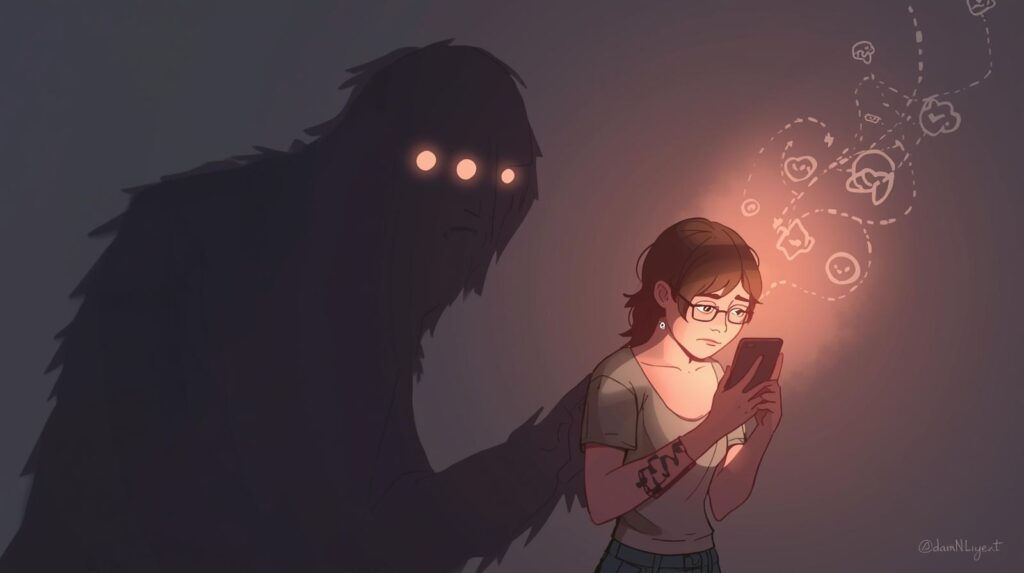
The fear of death isn’t just about dying; it’s about the unknown, the loss of control, and the mystery of what comes after. We may live meaningfully, love deeply, and do good — yet the idea of not being still shakes us.
In this post, we’ll explore the psychology, spirituality, and hidden truths behind why death frightens us — and how to find peace with life’s greatest mystery.
🧠 1. The Psychological Lens — The Fear of the Unknown
The human mind’s main job is to protect continuity — to keep “you” alive.
Death represents the ultimate uncertainty and loss of control.
Even when life feels beautiful, the mind whispers,
“But what happens when it ends?”
Our imagination can’t picture “nothingness.” It tries, and fails — because every image is something. This gap between imagination and reality creates existential anxiety.
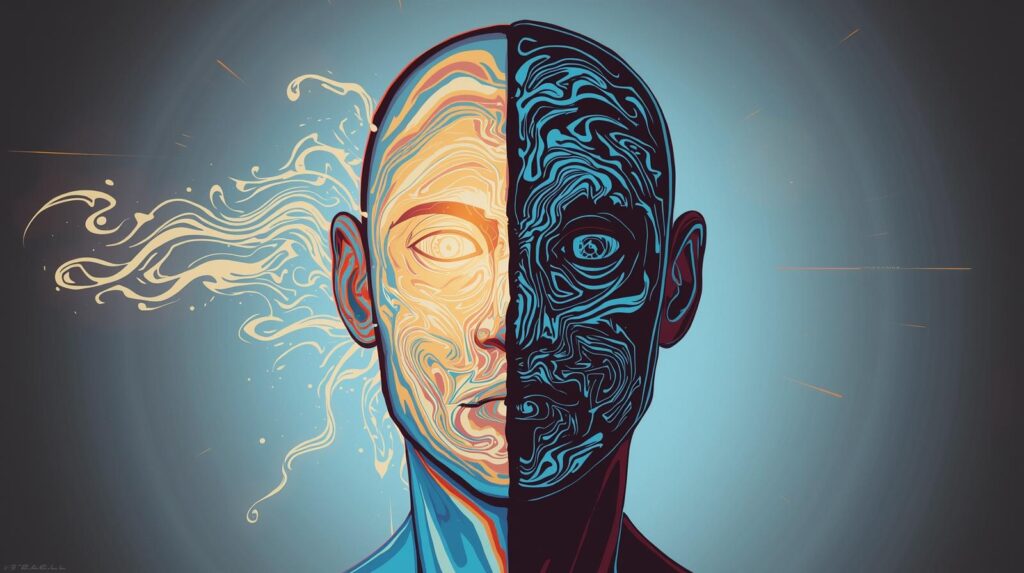
You could say death frightens not the soul, but the ego — the part of you that wants to stay, achieve, love, and remember.
It’s the ego’s instinctive resistance to vanishing — to the idea that everything it built might disappear.
💫 2. The Spiritual Lens — The Ego vs. The Eternal
Many spiritual traditions remind us:
“You are not the body, nor the thoughts. You are the awareness that sees them.”
From that perspective, death isn’t an end — it’s a transformation.
Fear arises when we identify too deeply with the temporary — our name, body, roles, and relationships. But when we begin to identify more with awareness itself — the silent observer — something softens.
You start to realize:
“What dies was never truly me.”
Meditators, monks, and mystics often share that once they experience this truth deeply, death loses its sting. It becomes a doorway, not a wall.
When you live with purpose and can say,
“I’m not wasting the gift of being alive — I’m learning, loving, and serving,”
death’s power to frighten begins to fade.
The goal shifts from length of life to depth of living.
⚡ 3. The Biological Truth — Fear as a Survival Instinct
The fear of death is part of our nervous system’s ancient design — the same instinct that made our ancestors run from danger so that we could exist today.
So instead of trying to eliminate the fear, it may be wiser to make peace with it.
Sit with it. Breathe into it. Ask it gently what it’s trying to protect.
Often, it’s trying to guard your love for life itself.
🌿 4. Reflection — What Are You Truly Afraid Of?
If I asked you gently:
When you think of death, is it the loss of self that feels scary,
or the loss of the people, experiences, and beauty of life that you’re attached to?
Your answer often reveals where your deeper reflection lies.
Is it about losing you, or losing what you love?
🌅 Conclusion — Finding Freedom in Impermanence
In the end, the fear of death isn’t a weakness — it’s a reflection of how deeply we value life.
We fear losing what is beautiful, familiar, and loved. But when we shift our focus from fearing the end to fully experiencing the present, death loses its power over us.
Understanding that every moment is temporary makes it sacred.
Peace doesn’t come from escaping death — it comes from embracing life so completely that even death feels like a natural continuation.
In accepting our impermanence, we discover life’s deepest freedom —
to live, love, and let go without fear.
Feeling Empty Despite Success? Here’s How to Restore Meaning