

Introduction: The Silent Struggle of Modern Success
In today’s world, many people achieve the life they once dreamed of—steady income, comfortable homes, travel opportunities, and social recognition. Yet, beneath the polished surface, there’s often an unsettling emptiness. The question quietly haunts many minds:
“If I have everything I wanted, why do I still feel like something is missing?”
This is not an individual weakness but part of a larger issue that psychologists and philosophers call the “meaning crisis.” In the Western world especially, material abundance often coexists with a profound spiritual void. Let’s explore why this happens and how balancing body, mind, and soul can help restore a sense of true fulfillment.
The Western Paradox: Comfort Without Fulfillment
Material comfort has never been more accessible. Technology offers convenience, careers provide financial stability, and entertainment opportunities are endless. Yet surveys show rising levels of depression, loneliness, and dissatisfaction.
- A Gallup survey in 2023 revealed that 31% of adults in developed countries feel their life lacks meaning, despite enjoying financial stability.
- The U.S. Surgeon General recently warned that loneliness has become a public health epidemic, linked to both mental and physical health decline.
This contradiction reveals a deeper truth: success defined by external standards does not guarantee inner peace.
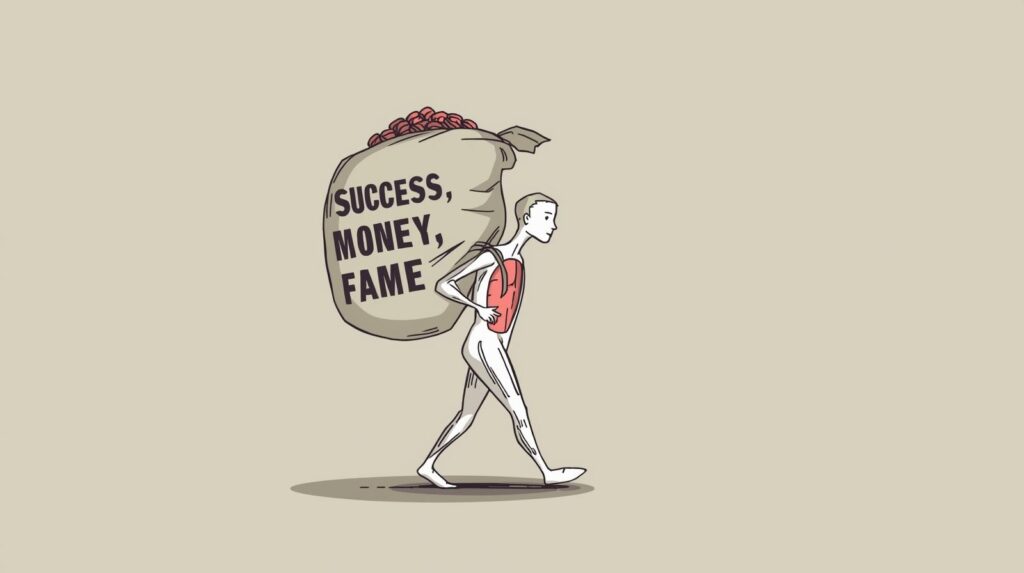
Why Does “Having Everything” Still Feel Empty?
1. Success Defined by Others, Not Ourselves
From early life, many are trained to chase goals—good grades, a degree, a stable job, a house, a family. Society often defines success for us. But once those milestones are reached, people ask: “Now what?”
📌 Case in Point: Sarah, a successful lawyer in London, achieved every goal she set. Yet she admits: “I’ve climbed the ladder, but at the top, the view doesn’t satisfy me.”
2. The Comparison Trap of Social Media
Even with abundance, social media often fuels feelings of inadequacy. Seeing others showcase “better” lifestyles creates a never-ending cycle of comparison.
📌 Example: Michael, a 45-year-old executive, earns well and owns property. But scrolling Instagram leaves him feeling small: “Even on vacation, I feel like I’m competing with everyone else’s happiness.”
3. Disconnection From the Inner Self
Modern life is fast, noisy, and overstimulating. Work demands, digital distractions, and consumerism leave little room for reflection. The result? People lose touch with their deeper needs and spiritual selves.
📌 Example: Emily, a 29-year-old nurse, admits: “I should feel lucky, but it’s like I’m just existing, not really living.”
The Body–Mind–Soul Imbalance
Humans are more than physical beings. True well-being comes from harmony between the body, mind, and soul. When one is neglected, emptiness follows.
- Body: Overfed with processed food but undernourished; sedentary routines lead to fatigue.
- Mind: Overstimulated by endless notifications, multitasking, and news cycles, causing anxiety.
- Soul: Ignored or forgotten in the pursuit of productivity, leading to spiritual dryness.
As philosopher John Vervaeke notes in his work on the meaning crisis, the erosion of tradition, ritual, and wisdom in Western culture has created a void that material success cannot fill (Resilience.org, 2025).
The Search for Purpose: Why This Question Matters
The inner question “Why am I here?” is not a sign of weakness—it’s a call to awaken. Psychiatrist Viktor Frankl, in Man’s Search for Meaning, emphasized:
“Those who have a ‘why’ to live can bear almost any ‘how.’”
Modern research supports this. Studies show that people with a clear sense of purpose enjoy longer lives, lower stress, and better resilience. (ScienceDirect Study).

Practical Steps to Rediscover Meaning
1. Reconnect With Yourself
Take time for silence—through journaling, meditation, or mindful walks. Ask: “What makes me feel alive?” rather than “What do others expect of me?”
2. Move From Possession to Contribution
Fulfillment comes less from accumulation and more from contribution. Volunteering, mentoring, or even small acts of kindness nurture a sense of impact.
📌 Example: A retired businessman in New York rediscovered joy by mentoring young entrepreneurs, saying: “It gave me back my spark.”
3. Practice Stillness and Spiritual Alignment
Spirituality doesn’t have to mean organized religion. It can be mindfulness, prayer, yoga, or breathwork—anything that nurtures the inner self.
4. Reconnect With Nature
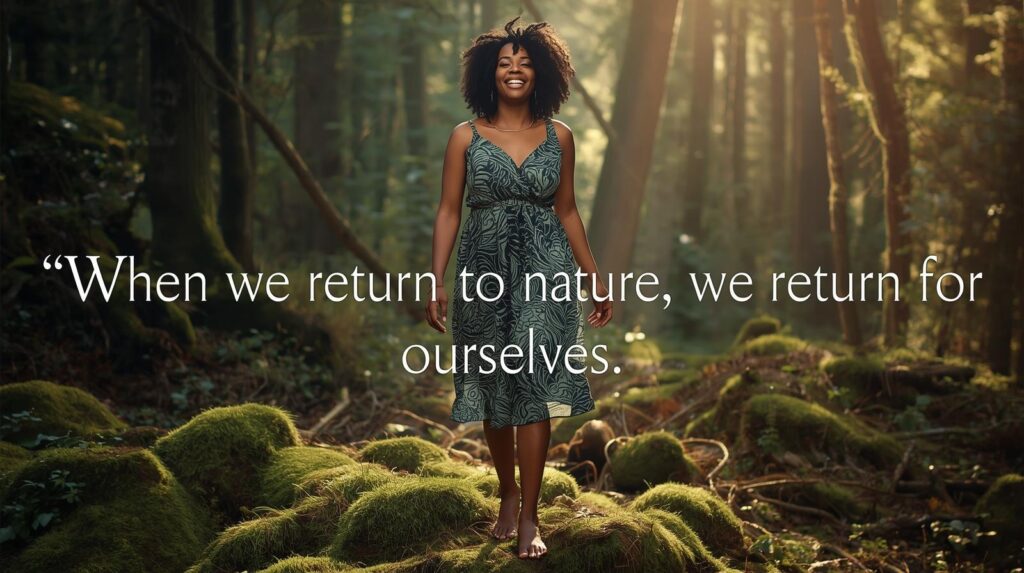
Time in nature reduces anxiety and reconnects us to cycles of life. Whether it’s hiking, gardening, or simply watching a sunset, nature grounds us.
5. Simplify Life
Often, the meaning we seek is hidden under excess—too many possessions, commitments, and digital distractions. Simplifying opens space for clarity.
Conclusion: Redefining What It Means to “Have Everything”
The real measure of “having everything” is not material possessions but alignment. When the body is nourished, the mind is peaceful, and the soul is fulfilled, life regains depth and meaning.
If you feel a void despite external success, it’s not a flaw—it’s a calling. A calling to pause, reflect, and realign with what truly matters.
🌱 “The real question isn’t how much we have, but how deeply we live.”

Pingback: Good Life, Great Love — Still Afraid to Die: The Human Paradox - Triilook
Pingback: Why Silence Solves Problems Better Than Overthinking - Triilook