
In today’s fast-paced world, almost everyone struggles with overthinking. The constant loop of thoughts, “what ifs,” and endless analysis often comes hand-in-hand with a sense of responsibility. Whether it is about career, finances, family, or personal growth, responsibilities can sometimes feel like a mountain on our shoulders. When we cannot balance them properly, they turn into mental pressure, leading to stress, anxiety, and lack of clarity.
But the truth is, overthinking is not impossible to handle. Anyone can learn to deal with it by understanding its roots, practicing awareness, and adopting healthy strategies. Let’s explore the connection between responsibility and overthinking, the impact it has on our lives, and practical ways to overcome it.
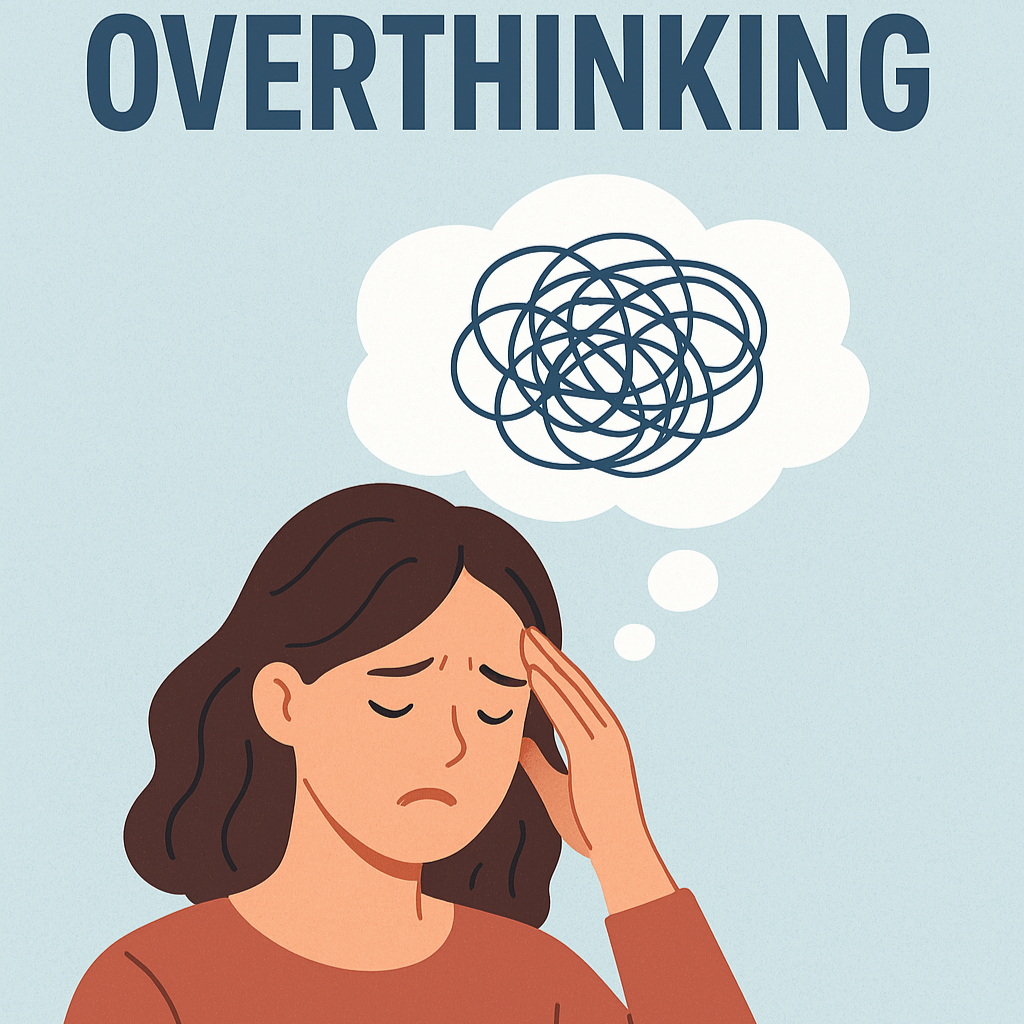
Understanding Overthinking
Overthinking happens when our mind gets stuck in a repetitive cycle of thoughts. Instead of taking action, we spend hours analyzing situations, predicting outcomes, and doubting our decisions. While a little bit of thinking is normal and necessary, overthinking traps us in inaction.
For example:
- A professional may keep thinking about whether to quit their job or not, instead of planning a safe career move.
- A business owner may worry about employees’ productivity but avoid making firm decisions.
- A parent may replay conversations or decisions endlessly, doubting if they did the right thing.
This shows that overthinking often comes when responsibility increases. The more we care about something, the more mental pressure we create around it.
The Link Between Responsibility and Overthinking
Responsibility is a good thing—it shows that we care about our work, family, or goals. But when responsibility turns into burden, it fuels overthinking.
- Fear of Failure – When the responsibility is big, we fear the consequences of making mistakes.
- Pressure to Succeed – Society, family, or our own expectations make us feel that we must be perfect.
- Unclear Priorities – Too many responsibilities without clear order create mental chaos.
- Lack of Action – Instead of moving forward step by step, we get stuck in “thinking mode.”
In short, responsibility without clarity leads to stress, and stress without action leads to overthinking.
Why Overthinking is Dangerous
At first, overthinking may feel harmless, but in the long run, it drains energy and affects mental health. Some of the negative effects include:
- Increased anxiety and stress levels
- Poor decision-making and procrastination
- Lack of focus on present tasks
- Sleep problems due to constant mental chatter
- Reduced creativity and confidence
If left unchecked, overthinking can even affect physical health and relationships. That is why learning to deal with it is crucial.

How Anyone Can Deal with Overthinking and Responsibility
The good news is that anyone can manage overthinking with the right mindset and practical steps. Here are some proven ways to handle it:
1. Prioritize Responsibilities
Not all responsibilities are equal. List down everything you need to handle and rank them based on urgency and importance. This simple step reduces mental clutter and gives clarity.
2. Shift from Thinking to Action
Whenever you catch yourself overthinking, ask: “What action can I take right now?” Even a small step forward is better than staying stuck in thought loops.
3. Set Boundaries for Thinking
Allocate a fixed time to think about problems—say 20 minutes a day. After that, stop and focus on execution. This trains your brain to limit unnecessary thinking.
4. Practice Mindfulness and Self-Awareness
Meditation, deep breathing, or simply observing your thoughts without judgment can break the cycle of overthinking. Mindfulness helps you stay in the present instead of worrying about the future.
5. Avoid Perfectionism
Many people overthink because they want everything perfect. Accept that mistakes are part of growth. Progress is better than perfection.
6. Share Responsibilities
You don’t have to carry everything alone. Delegating at work or sharing duties at home reduces pressure and clears mental space.
7. Write it Down
Journaling your worries and responsibilities helps release them from your mind. When written on paper, problems often look smaller and more solvable.
8. Focus on What You Can Control
Worrying about things beyond your control is wasted energy. Instead, focus on areas where your effort can create change.
Real-Life Perspective
Imagine a person handling debt, office problems, and family responsibilities all at once. Their mind constantly races with “How will I pay?” “What if my team fails again?” “Should I quit my job?”
This situation is overwhelming, but by prioritizing debt repayment first, setting accountability in the office, and saving a small amount regularly, the same person can slowly gain control. Once stability comes, overthinking reduces automatically.
The lesson: Clarity + Action = Freedom from Overthinking.
Long-Term Mindset for Peace
- See responsibilities as opportunities, not burdens.
- Build a habit of taking small, consistent actions.
- Invest time in personal growth and learning to strengthen confidence.
- Accept that life will always have challenges, but your response decides your peace of mind.

Conclusion
Overthinking and responsibility are closely connected. The more responsibilities we take, the greater the chance of overthinking. But anyone can break this cycle with awareness, prioritization, and action.
Instead of letting thoughts control you, learn to control your thoughts. Reduce pressure by setting clear priorities, taking small steps, and focusing only on what you can change.
Remember, responsibility is not meant to crush you—it is meant to shape you. When you balance responsibility with action and clarity, overthinking disappears, and confidence grows.
So the next time your mind feels heavy with thoughts, pause, breathe, and ask: “What is the next small step I can take?” That one step may be the start of a peaceful and focused life.
Pingback: Beyond Work and Wealth: The Search for the True Self - Triilook