


Introduction
In an era where digital connectivity is at its peak, the paradox of feeling profoundly alone has become a pressing concern. Despite the constant buzz of notifications and the illusion of being perpetually connected, many individuals experience a deep sense of isolation. This phenomenon, often termed the “loneliness epidemic,” raises a critical question: Why do we feel so lonely in an overconnected world?
Understanding Loneliness in the Digital Age
Loneliness is not merely the absence of social interaction; it’s the perception of being disconnected from others. In a hyperconnected world, where social media platforms and instant messaging create an illusion of constant interaction, the quality of these connections often diminishes. The superficial nature of online interactions can lead to feelings of emptiness and emotional isolation.
Research indicates that increased social media use, especially when driven by motives like avoiding negative emotions, can exacerbate feelings of loneliness. For instance, a study found that individuals who use social media primarily to maintain contact with others reported higher levels of loneliness, suggesting that the intended purpose of connection may not be fulfilled through digital means alone. PMC
The Science Behind the Loneliness Epidemic
The World Health Organization (WHO) has highlighted loneliness as a significant global health issue, linking it to various physical and mental health problems, including heart disease and depression. The WHO’s report emphasizes that loneliness is not just an emotional state but a public health concern that requires urgent attention. The Times of India
Furthermore, studies have shown that loneliness can activate the body’s stress response, leading to increased levels of cortisol, the stress hormone. Chronic loneliness can result in elevated inflammation, weakened immune function, and increased risk of chronic diseases. Understanding these biological underpinnings underscores the importance of addressing loneliness as a serious health issue.
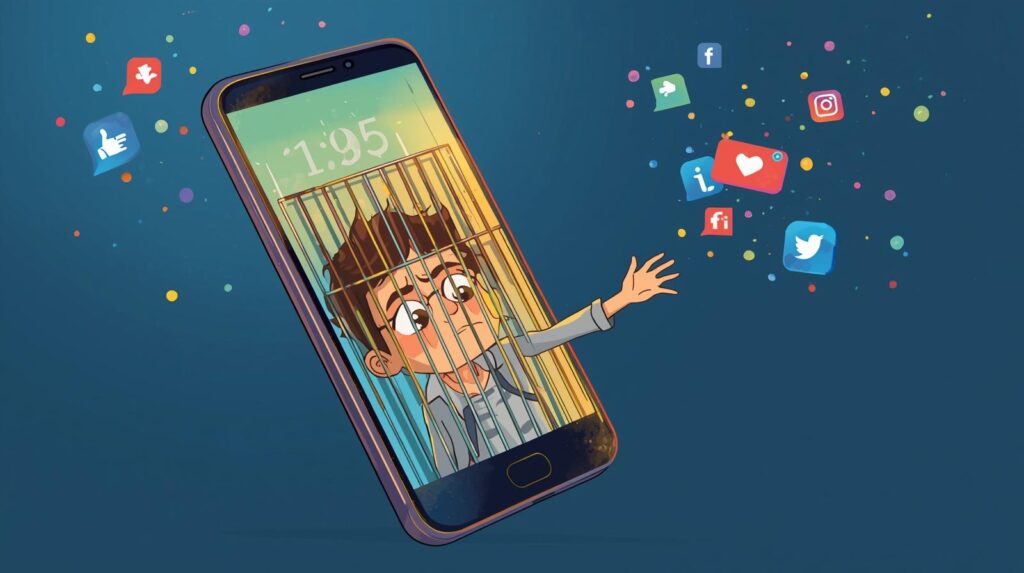
The Role of Social Media in Perpetuating Loneliness
While social media platforms are designed to connect people, they often contribute to feelings of isolation. The curated nature of online content, where individuals showcase only the highlights of their lives, can lead to unhealthy comparisons and feelings of inadequacy. This phenomenon, known as “social comparison,” can intensify feelings of loneliness and depression.
Moreover, the addictive nature of social media can lead to excessive use, replacing meaningful face-to-face interactions with passive scrolling. This shift from active to passive engagement reduces opportunities for authentic connections, further deepening the sense of isolation.
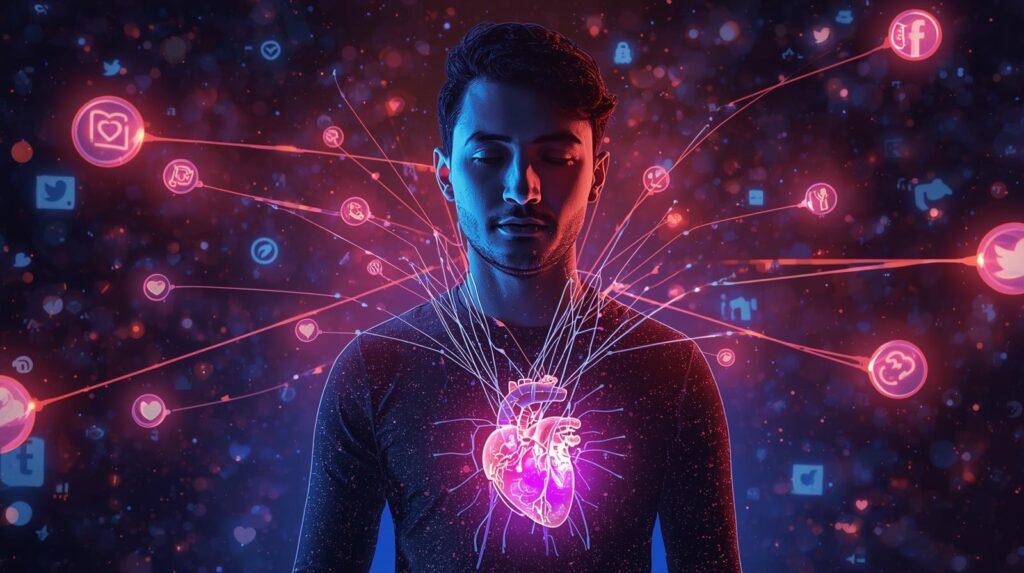
Mindfulness: A Pathway to Reconnection
Amidst the digital noise, mindfulness offers a pathway to reconnect with oneself and others. Mindfulness involves paying full attention to the present moment without judgment, fostering a deeper awareness of thoughts, feelings, and bodily sensations.
Research supports the effectiveness of mindfulness in reducing feelings of loneliness. A study demonstrated that smartphone-based mindfulness training led to a reduction in loneliness and an increase in social contact in daily life. PNAS
Mindfulness practices can help individuals become more aware of their emotional states, enabling them to recognize and address feelings of loneliness. By cultivating self-compassion and non-judgmental awareness, mindfulness can break the cycle of negative thinking that often accompanies loneliness.

Practical Strategies to Combat Loneliness
- Limit Social Media Use: Setting boundaries around social media use can help reduce feelings of inadequacy and comparison. Allocating specific times for social media engagement and avoiding it during meals or before bedtime can promote healthier habits.
- Engage in Mindfulness Practices: Incorporating mindfulness techniques, such as deep breathing, meditation, or mindful walking, can enhance self-awareness and emotional regulation, reducing feelings of loneliness.
- Foster Real-Life Connections: Prioritizing face-to-face interactions over digital ones can strengthen relationships and provide a sense of belonging. Engaging in community activities or joining clubs can create opportunities for meaningful connections.
- Seek Professional Help: If feelings of loneliness persist, consulting a mental health professional can provide support and guidance in addressing underlying issues.
Conclusion
The loneliness epidemic in an overconnected world highlights the need for a balance between digital engagement and genuine human connection. By understanding the factors contributing to loneliness and implementing strategies like mindfulness and real-life interactions, individuals can navigate the complexities of the digital age and foster meaningful connections that promote well-being.